Skip to content
ESLog inStart free
Voyager 1 · Pulsar 1

Text to speech models. One to produce. One to converse.

Voyager 1 and Pulsar 1 share the same voices, languages and emotions. Voyager 1 takes its time to give you the best take; Pulsar 1 starts speaking in about 100 ms.

An eclipsed planet and the Voyager 1 probe
Every plan
The journey

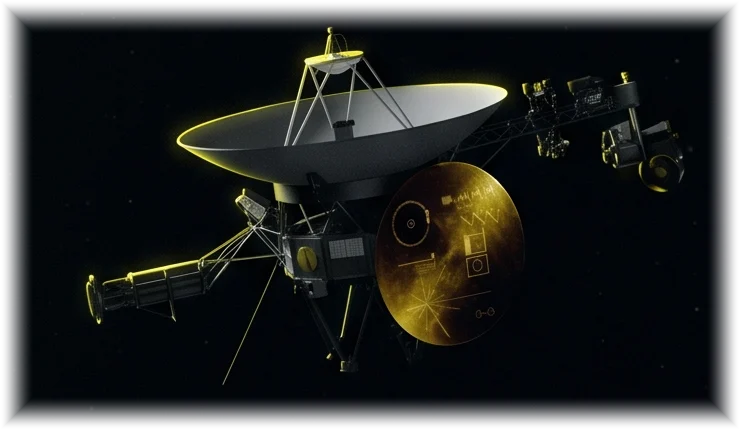
Voyager 1

99.1%of words exact in Spanish

Top quality for everything you publish: ads, videos, courses, audiobooks and dubbing.

First audio
The full take, in seconds
Audio
48 kHz broadcast quality
Voices
800+ voices · 55+ languages
Direction
Emotions, effects and music in the script
Connection
HTTP · voyager-1
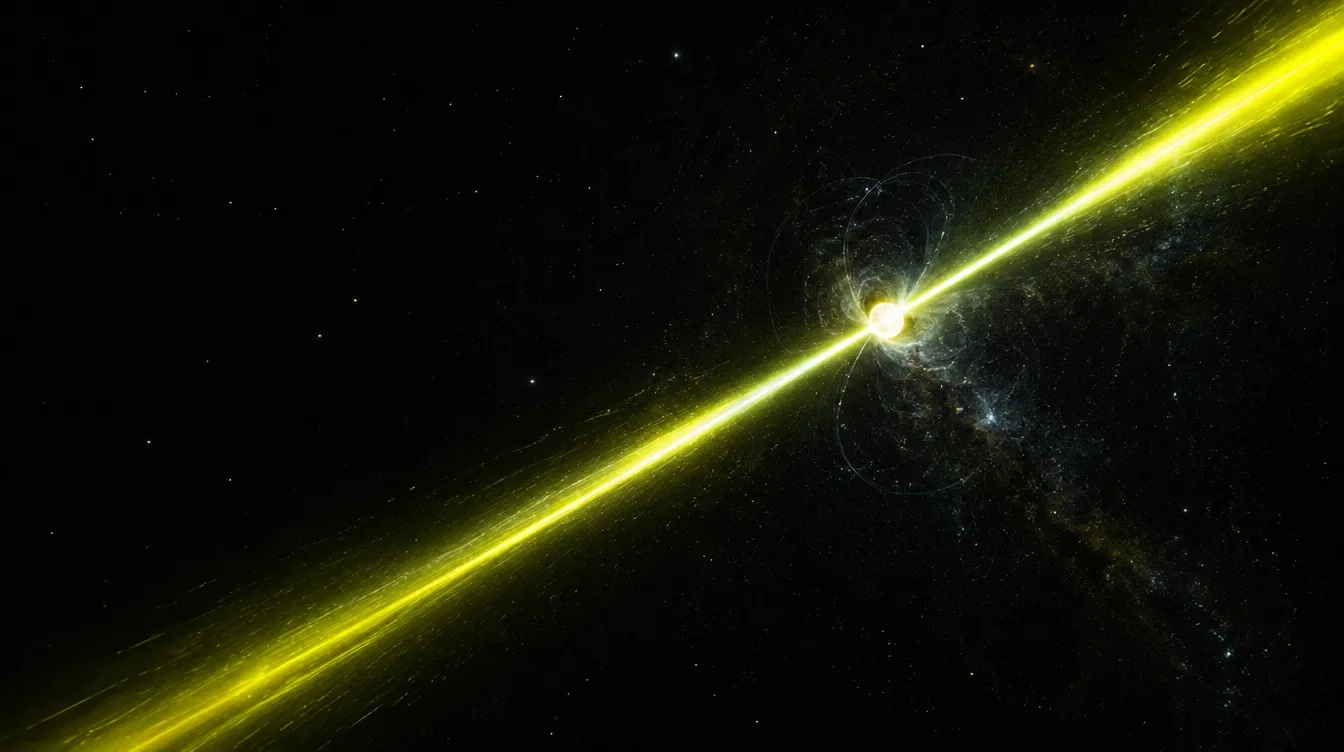
A pulsar with its two diagonal beams
Early access
The signal

Pulsar 1

~100 msto first audio, median

Low latency for everything that talks back: voice agents, assistants, telephony, games and real-time apps.

First audio
~100 ms, over 3× sooner than Voyager 1
Audio
24 kHz · PCM, μ-law and A-law
Voices
The same 800+ · 55+ languages
Direction
The same emotions
Connection
WebSocket · pulsar*
Shared

800+ voices · 55+ languages · the same emotions · the same voice quality

* Pulsar 1’s model_id is provisional until launch. Latency: median measured on the server, excluding the network.

Hear them

Hear each model.

Real samples from each one, watermarked and credentialed. Voyager 1 generates the full take before it plays; Pulsar 1 starts speaking in about 100 ms.

Voyager 1The journey
Full take48 kHz · ready to publish

[holding back tears, but smiling] Thank you. Really, thank you for everything.

0:00 / 0:05
Pulsar 1The signal
144 msto first audio on this take · 24 kHz streaming

Hola, Lucía. Soy Clara, de la clínica dental Alba. ¿En qué te puedo ayudar?

0:00 / 0:04

Pulsar 1 samples are in Spanish.

Which one do you need?

Three questions and we’ll tell you.

01Who will hear the voice?
02How long can they wait?
03Where will it play?
Our pick0 of 3

Answer and we’ll recommend a model.

Comparison

Voyager 1 vs Pulsar 1, point by point.

What they share and what changes. Anything not yet decided for Pulsar 1 is marked.

—Voyager 1Pulsar 1
First audioThe full take, in seconds~100 ms (server median)
Made forProducing: ads, video, e-learning, audiobooks and dubbingConversing: voice agents, telephony, assistants, games and real-time apps
Voice qualityThe benchmarkThe same as Voyager 1
Audio48 kHz broadcast quality24 kHz native, with resampling
Voices800+The same
Languages55+The same 55+
EmotionsBracket tags: [upbeat], [hushed], [unhappy]…The same
Effects & musicEffects and ambiences in plain language, plus background musicTo be confirmed
Watermark & C2PAOn every file, on every planTo be confirmed
FormatsMP3 and WAV16-bit PCM, float PCM, μ-law and A-law
ConnectionHTTP (REST)WebSocket: speak, flush and cancel
InterruptionsNoYes, via context_id
Text per requestUp to 10,000 charactersSentence by sentence, streamed
model_idvoyager-1pulsar · provisional
PriceOn every plan, from €0Less per character · TBA
StatusAvailableComing soon · early access
For developers

How to call each one.

Voyager 1 over HTTP, like any REST API. Pulsar 1 over WebSocket, sentence by sentence, with interruptions.

Read the docs 
import os, requests
r = requests.post(
"https://api.voicefinder.io/v1/text-to-speech/VOICE_ID",
headers={"Authorization": f"Bearer {os.environ['VOICEFINDER_API_KEY']}"},
json={
"model_id": "voyager-1",
"text": "[upbeat] Hi! How can I help?",
},
)
open("hola.mp3", "wb").write(r.content) # complete file, with watermark and C2PA

HTTP request to the public API: works today.

FAQ

Frequently asked questions

What’s the difference between Voyager 1 and Pulsar 1?

They’re the same model with two different jobs. Voyager 1 generates the complete take at top quality, at 48 kHz, for everything you publish. Pulsar 1 is built to respond: it starts speaking in about 100 ms and streams audio over WebSocket as it talks, for agents and real-time conversations. Voices, languages and emotions are the same.

Does Pulsar 1 sound worse because it’s faster?

No. Pulsar 1 uses the same voices and keeps the same voice quality as Voyager 1. What changes is delivery: 24 kHz streaming audio, with formats like μ-law and A-law built for telephony, instead of a 48 kHz file for broadcast.

How do you measure the 100 ms?

It’s the median time to first audio, measured on our server with 1 to 48 simultaneous conversations: 93 to 113 ms. A typical agent sentence arrives in full in about 95–125 ms. Add the network between your server and ours on top.

When can I use Pulsar 1, and what does it cost?

Pulsar 1 is in early access. Request access and we’ll let you know as soon as places open. It will cost less per character than Voyager 1; we’ll publish the exact price at launch.

Which model_id do I use in the API?

voyager-1 for Voyager 1, over HTTP at https://api.voicefinder.io. If you’re coming from another provider, their usual model_ids are treated as voyager-1 without an error. Pulsar 1’s final identifier will be published at launch.

Pick a model. You already know the voices.

See pricing